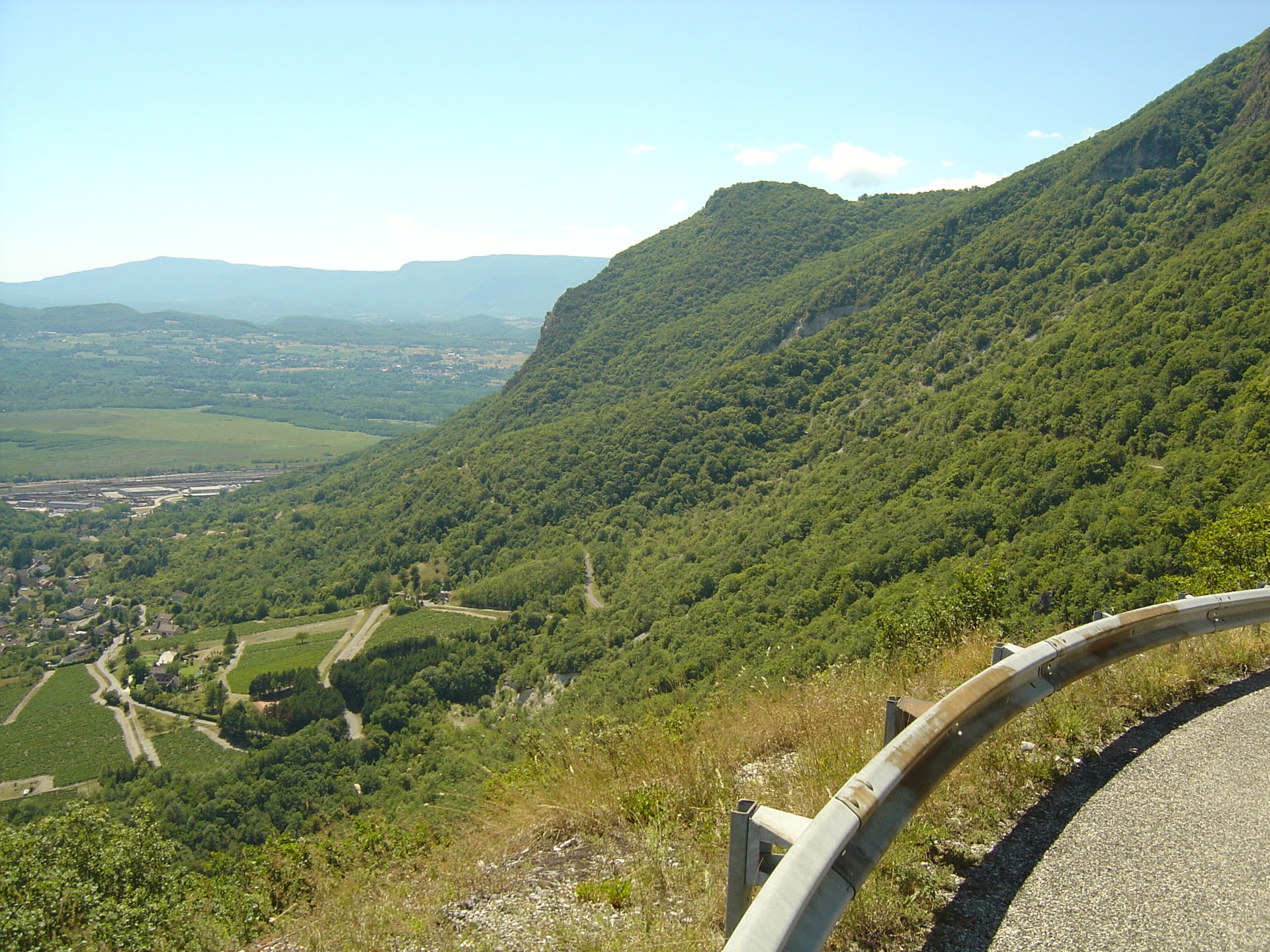
Col du Grand Colombier from Culoz
😍 BeautifulLight traffic
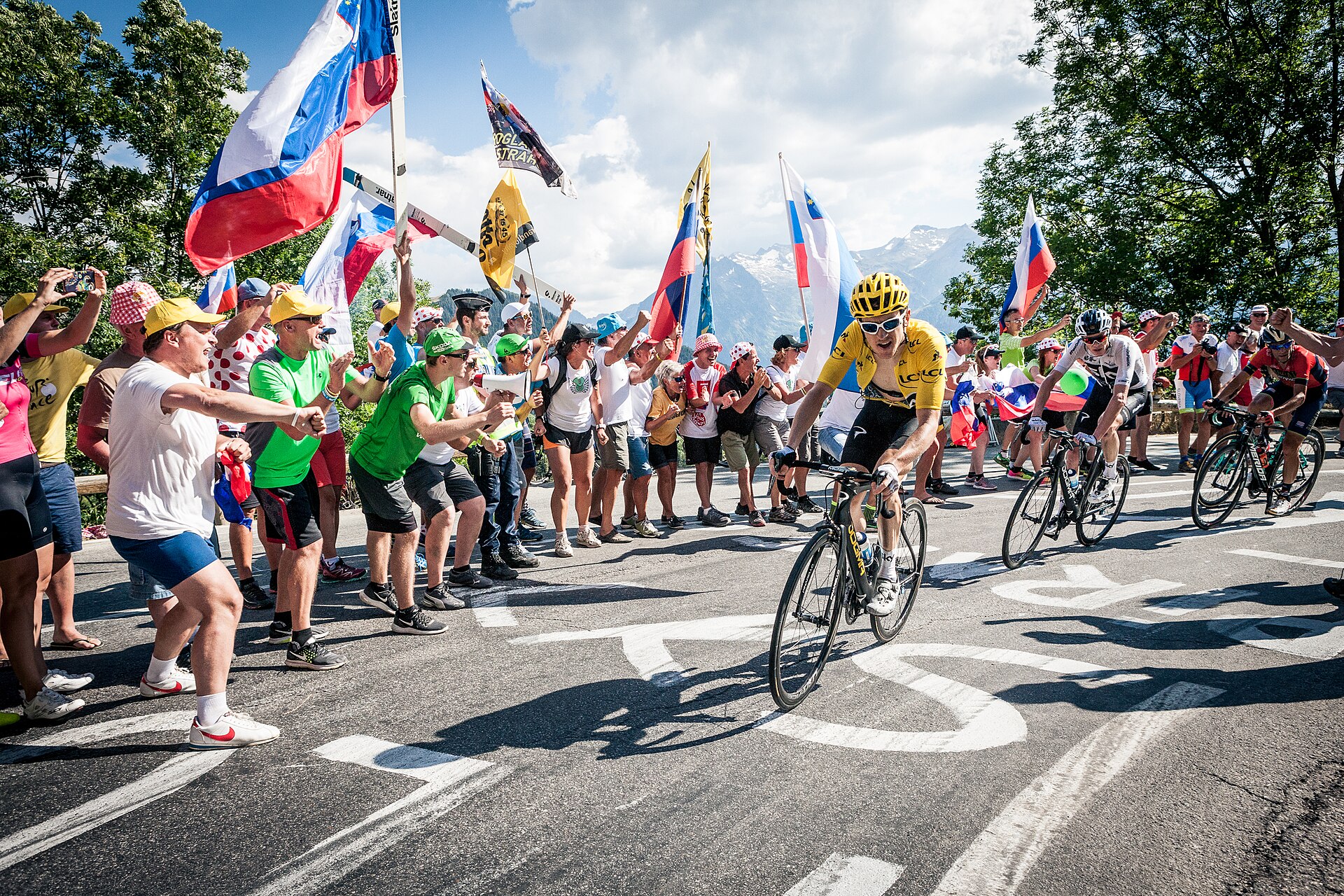
Follow the mountains of the Tour de France 2027 through ten selected climbs, arranged in stage order. Start with Grand Colombier in the Jura, continue through the Alps and Mende, then head to the Pyrenees for Portet and Marie-Blanque. Compare the saved approaches below; the stage notes explain where their boundaries or finish differ from the race.
10 selected routes, from 2.5 km to 23.8 km, with 219 m to 1,400 m of elevation gain.
😍 BeautifulLight traffic
😍 BeautifulLight traffic
😍 BeautifulLight traffic
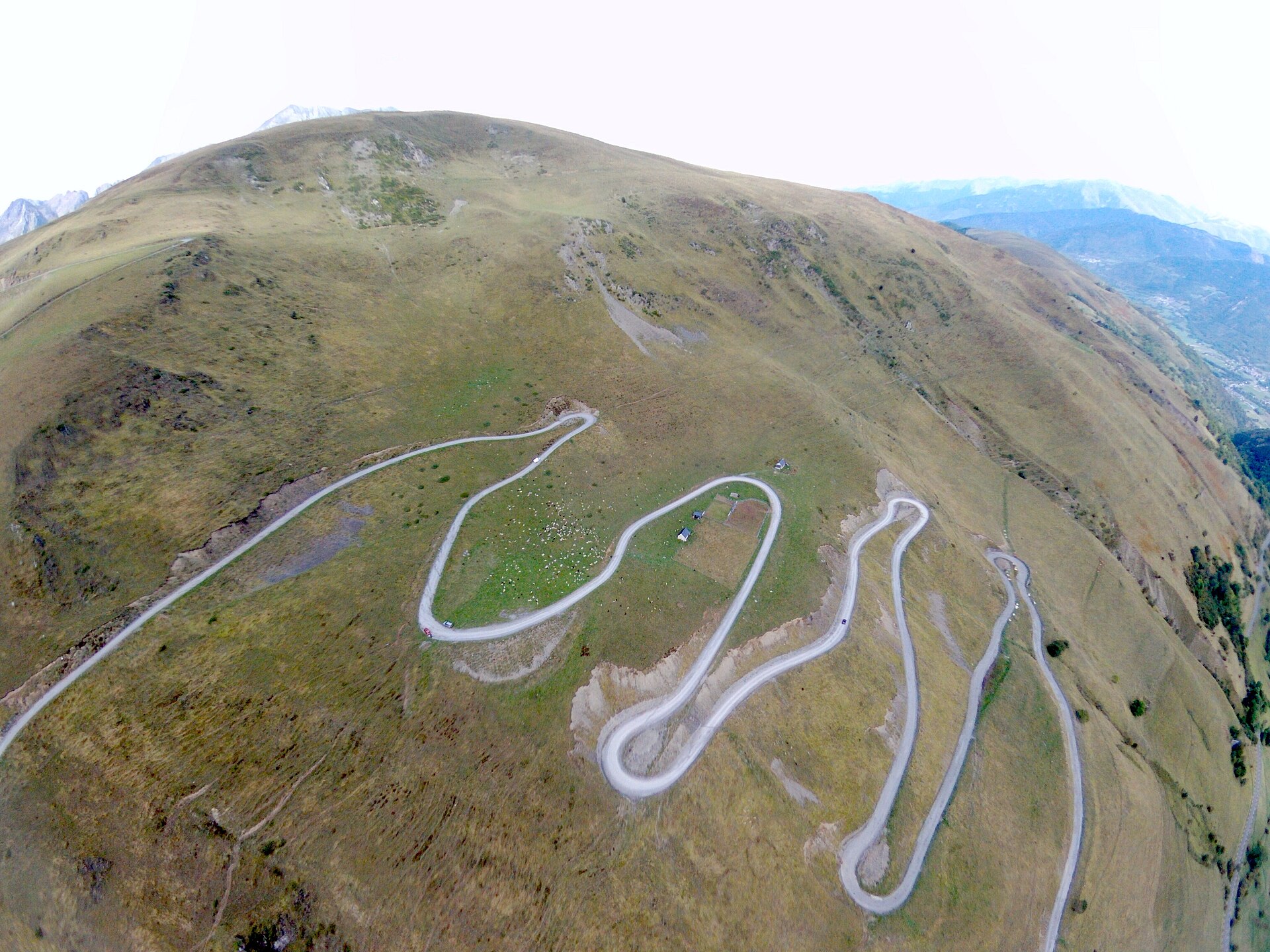
😍 BeautifulLight traffic
| Climb and approach | Distance | Elevation gain | Average gradient |
|---|---|---|---|
| Col du Grand Colombier from Culoz 😍 BeautifulLight traffic | 17.6 km | 1,258 m | 7.1% |
| Côte de Domancy from Domancy 😍 BeautifulLight traffic | 2.5 km | 219 m | 8.7% |
| Col de la Colombière from Scionzier 😍 BeautifulLight traffic | 16.2 km | 1,110 m | 6.9% |
| Col du Pré from Beaufort 😍 BeautifulLight traffic | 12.2 km | 966 m | 7.9% |
| Signal de Bisanne from Villard sur Doron 😍 BeautifulLight traffic | 14.3 km | 1,228 m | 8.6% |
| Côte de la Croix Neuve / Montée Laurent Jalabert 😍 BeautifulLight traffic | 2.7 km | 297 m | 10.9% |
| Col du Tourmalet from Luz Saint Sauveur via Super Barèges 😍 BeautifulLight traffic | 18.9 km | 1,400 m | 7.4% |
| Col de Portet from Saint Lary Soulan 😍 BeautifulLight traffic | 16.1 km | 1,393 m | 8.6% |
| Col de Soudet from Licq-Athérey 😍 BeautifulLight traffic | 23.8 km | 1,260 m | 5.3% |
| Col de Marie-Blanque from Escot 😍 BeautifulLight traffic | 9.1 km | 701 m | 7.7% |
The first summit finish approaches Grand Colombier from Culoz. This is the southern road with the exposed hairpins above the Rhône, rather than the steeper western approach through Virieu-le-Petit. It gives this selection its first long mountain effort before the race enters the Alps.
Annecy to Sallanches includes two ascents of the Côte de Domancy. The second is the final launchpad before the finish. The comparison lists its Domancy approach once: riding it twice in the race does not make it two different catalogue routes.
Cluses to Les Saisies opens with the Colombière from the Scionzier side, then crosses Croix Fry and the Forclaz de Queige before the late Col du Pré–Bisanne sequence. Our Pré profile starts in Beaufort. For Bisanne, the selected Villard-sur-Doron profile continues to the Signal de Bisanne summit; the race leaves that ascent before the summit and finishes at Les Saisies. Use it to inspect the climbing, rather than as the exact finish route. The amateur L’Étape du Tour follows this stage on 11 July; its published distance and ascent differ from the professional stage.
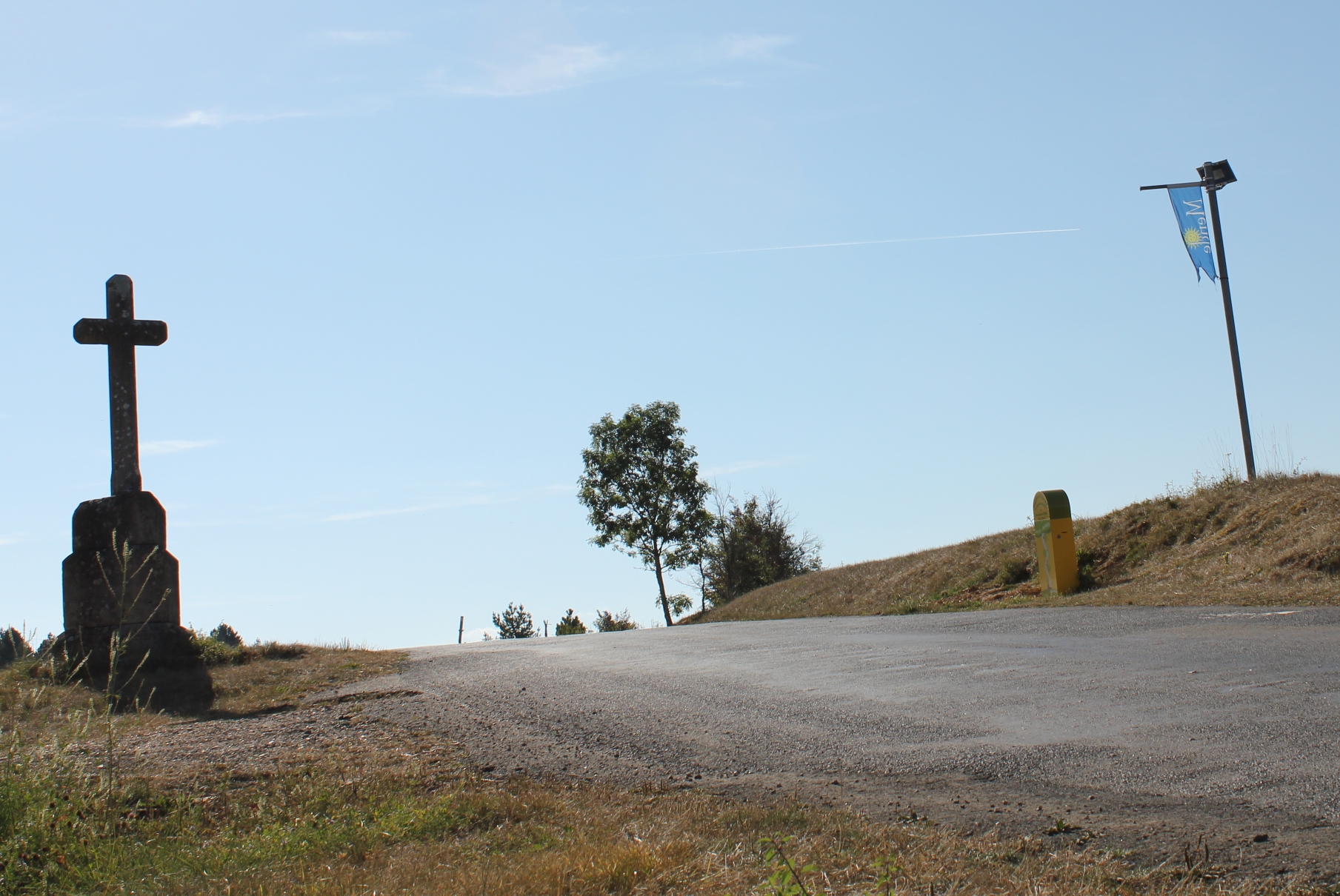
The Côte de la Croix Neuve, also called Montée Laurent Jalabert, brings a short, steep contrast to the long mountain passes. The stage reaches it after the Col du Vent and Col de la Lusette. Our profile covers the wall from Mende; it excludes the continuation to the stage finish and the alternative ascent from Langlade.
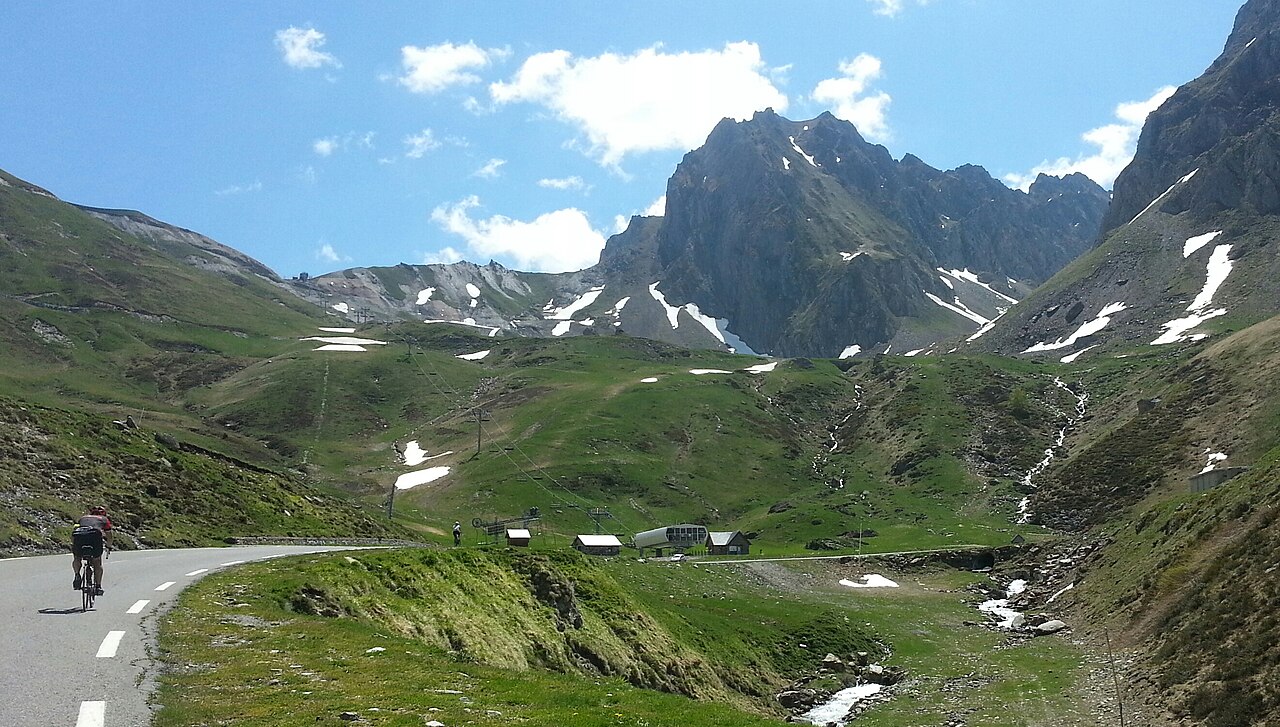
The queen stage links the Soulor, Tourmalet, Hourquette d’Ancizan and Portet. The organiser confirms Tourmalet from Luz-Saint-Sauveur; our selected western profile uses the Super Barèges road, rather than the Voie Laurent Fignon variant. Detailed race routing should be checked before treating that variant as an exact match. Portet starts in Saint-Lary-Soulan and reaches the Tour’s highest finish at 2,215 metres. These two profiles are separate efforts, not the complete stage.
The last mountain stage runs from Hasparren to Laruns, crossing Burdincurutcheta and Bagargui before Soudet and Marie-Blanque. Compare Soudet from Licq-Athérey with the western Marie-Blanque approach from Escot. Soudet’s long valley approach makes the whole-profile average gentler than the race’s measured climbing section; open the profile to see the harder upper slopes.
For a shorter trip, focus on one part of the selection: the Jura around Culoz, the Alps around Sallanches and the Beaufortain, Mende, or one of the Pyrenean valleys. The full list spans several regions and needs separate bases. These are existing climb profiles, not a connected itinerary or a complete GPX of the 2027 Tour. Measurements come from each saved route and can differ from the organiser’s stage segments. Route context was checked against the announcement on 25 October 2026; consult the organiser for later changes.
Average gradient describes the recorded route as a whole. Open a climb to see its elevation profile and how the gradient changes along the road.
11 climbs · Alpine and Pyrenean classics, Ventoux and two contrasting Vosges climbs.
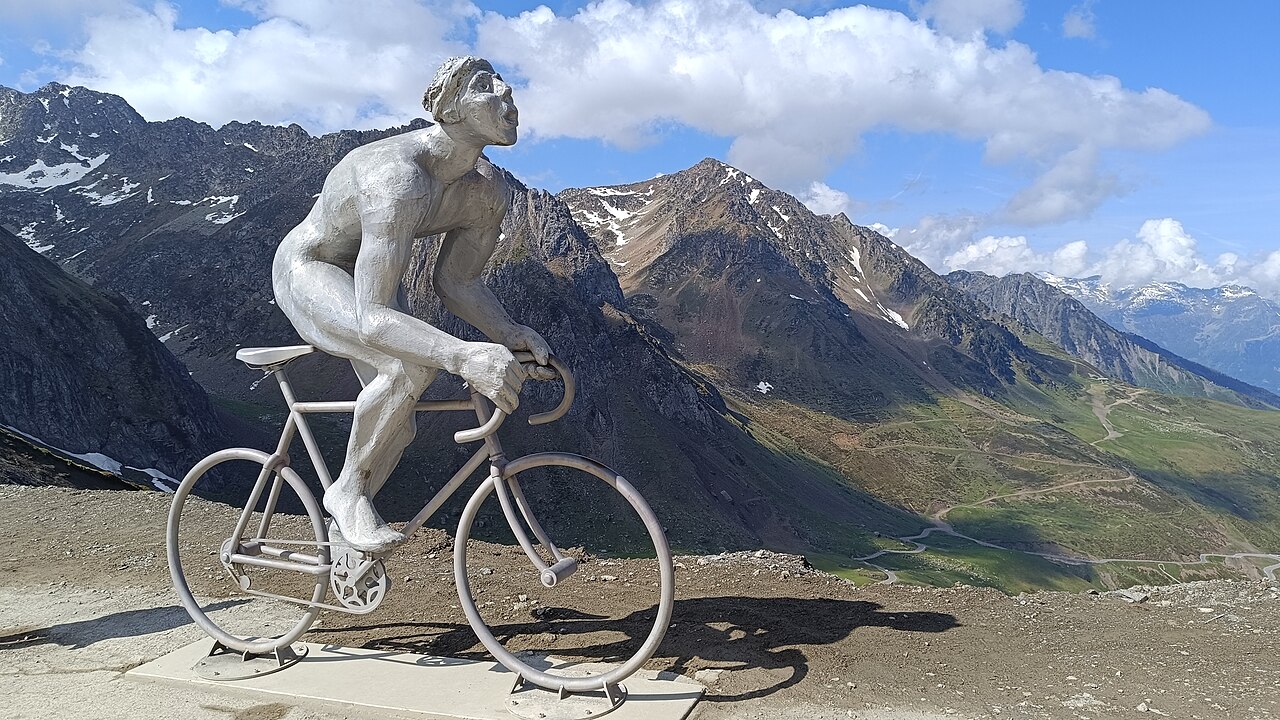
5 climbs · The Argelès/Luz base: Tourmalet, Hautacam, Luz Ardiden, Aubisque and Lac d’Estaing.
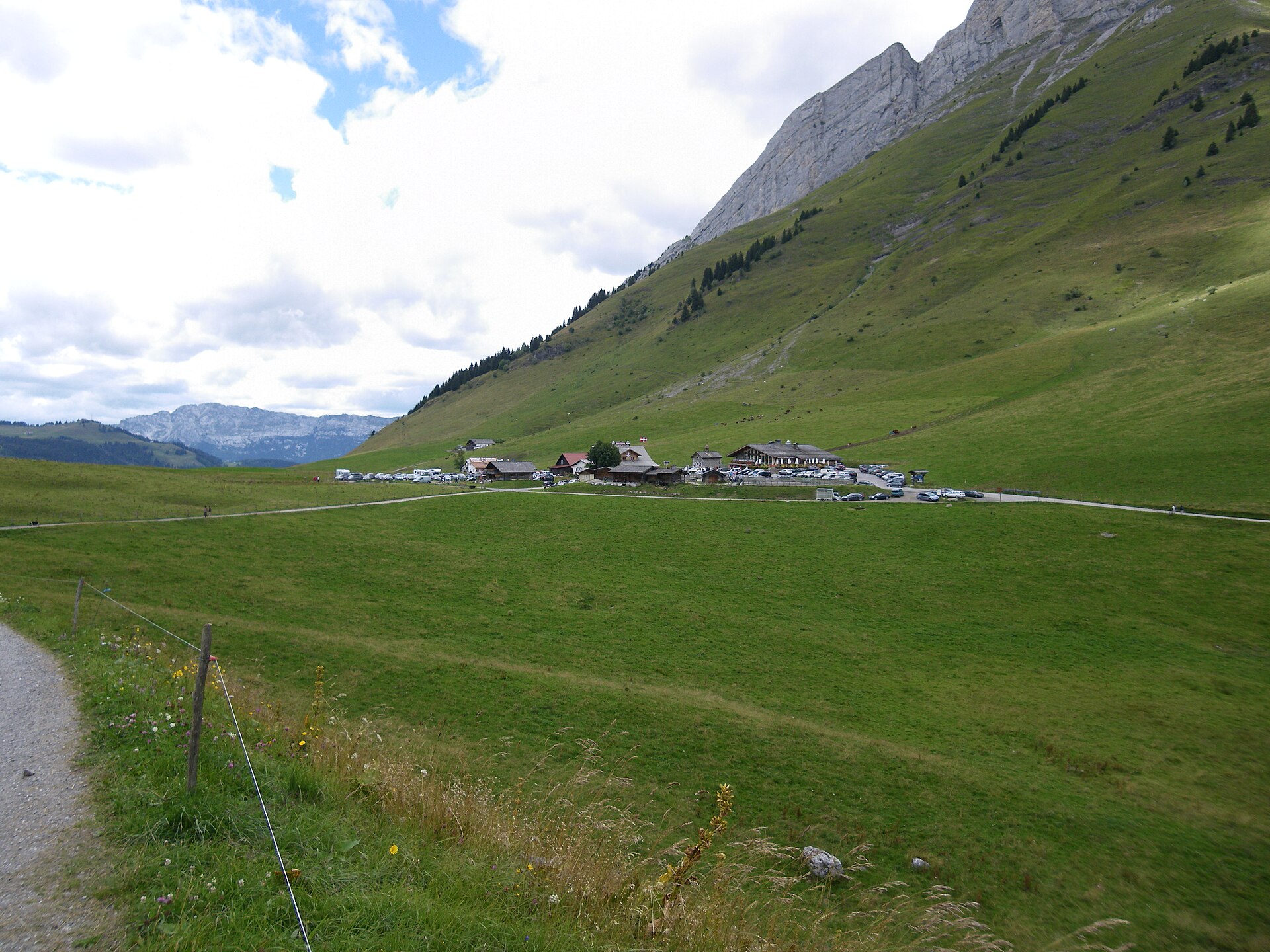
5 climbs · Compare Aravis, Colombière and Croix Fry, with a separate Reposoir-side Romme ascent.